

Blowout Preventer Maintenance: A Field Checklist
Step-by-step BOP inspection and maintenance procedures to stay compliant and keep your crew safe.
Introduction
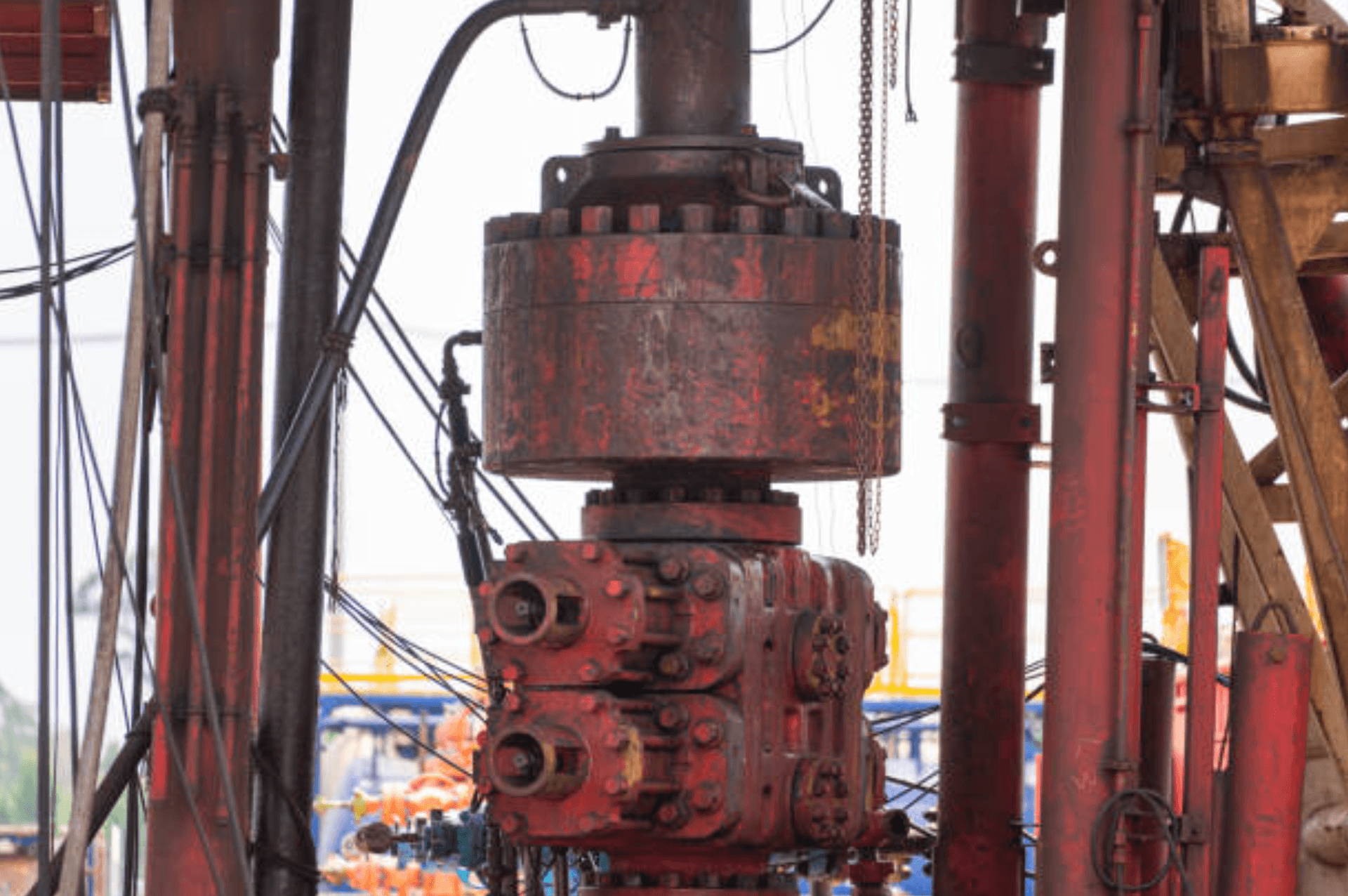
A blowout preventer is the last line of defense between your crew and a well control event. No piece of equipment on a drilling operation carries more responsibility — and none demands more disciplined maintenance. Whether you're running a ram BOP, an annular, or a full stack, this checklist covers the inspection and maintenance procedures that keep you compliant, keep your crew safe, and keep your operation running.
Before You Begin — Know Your BOP Stack
Before any inspection, confirm you have full documentation on your BOP configuration. You need the manufacturer's maintenance manual specific to your model, the pressure rating and bore size specifications, the last inspection report and any open action items, and your well program's BOP requirements for the current operation.
Every inspection should be logged. No exceptions.
Daily Inspection Checklist
These checks should happen every day the BOP is in service:
- Visually inspect all external seals, hoses, and connections for leaks, cracks, or wear.
- Check hydraulic fluid levels in the accumulator unit and confirm pressure is within operating range — typically 3,000 psi on most systems.
- Verify all control panel indicators are functioning and that the closing unit is fully charged.
- Confirm kill and choke line valves are in their correct positions per the well program.
- Test the remote panel to confirm it responds correctly to the main control unit.
- Log all readings with timestamp and operator signature.
Weekly Function Testing
- Function testing confirms the BOP will actually close when you need it to.
- This is non-negotiable:
- Test each ram and annular preventer for open and close function using the hydraulic control unit.
- Record opening and closing times — compare against manufacturer specs and flag any deviation.
- Pressure test the stack to the required working pressure per your well control program.
- Inspect and function test the choke and kill valves.
- Check accumulator pre-charge pressure on all bottles.
- Inspect the closing unit engine or motor and fluid reservoir.
- Document everything in the maintenance log.
Monthly and Pre-Spud Inspection
Before spudding a new well and at minimum monthly during extended operations:
- Conduct a full visual inspection of the BOP stack, including all bonnets, bolting, and seals.
- Inspect all hydraulic hoses and fittings for wear, abrasion, or UV degradation.
- Check all ram rubbers and packer elements for wear and confirm they meet minimum thickness requirements — replace immediately if outside spec.
- Verify that your BOP closing ratio meets API requirements for your specific configuration.
- Confirm that your well control equipment meets the pressure rating required for the maximum anticipated surface pressure on the well.
- Conduct a full accumulator capacity test — the closing unit must be able to close all preventers and hold them closed with the pump offline.
- Review and update your BOP inspection log and certify that all items meet requirements.
Common Failure Points to Watch
In the field, most BOP issues trace back to the same handful of problems. Watch for hydraulic fluid contamination — dirty fluid degrades seals faster than almost anything else. Watch for incorrect ram rubber sizing — using rubbers that don't match your drill string OD will give you a false sense of security. Watch for accumulator bottles that have lost pre-charge — they'll appear to have volume but won't deliver the pressure you need when it counts. Watch for worn or cracked packer elements that look intact until they're under pressure. And watch for control hose chafing at connection points — this is often missed on visual inspection but is a common source of slow hydraulic leaks.
Regulatory Compliance Notes
In the United States, BOP testing requirements are governed by the applicable regulatory body for your operation — BSEE for offshore, and state-level oil and gas commissions for land operations. In Texas, the Railroad Commission sets the requirements for land drilling operations. API Standard 53 is the primary industry standard for BOP equipment and testing procedures. Ensure your testing intervals, pressure test records, and inspection logs meet the requirements of your jurisdiction. Non-compliance is not just a regulatory risk — it is an operational and liability risk that no operator can afford.
Buying or Selling a BOP — What to Check
If you're sourcing a used BOP on Black Diamond Marketplace, don't close a deal without verifying the complete maintenance and inspection history. Ask for the last pressure test certificate, the ram rubber replacement records, hydraulic fluid service history, and any repair records. A BOP with a clean paper trail is worth more than one without — and the documentation protects you operationally and legally from day one.
If you're listing a BOP for sale, uploading complete maintenance records to your listing is one of the fastest ways to justify your asking price and close the deal faster. Buyers in this market know what they're looking at.
Final Word
A BOP doesn't fail loudly. It fails quietly, over time, through neglected seals and unchecked pressures and skipped function tests. The checklist above isn't bureaucracy — it's the difference between a controlled operation and a well control event. Run your checks. Log your results. And when it's time to replace equipment, source from verified sellers who can show you the same discipline in their maintenance records.
Published June 15, 2026